
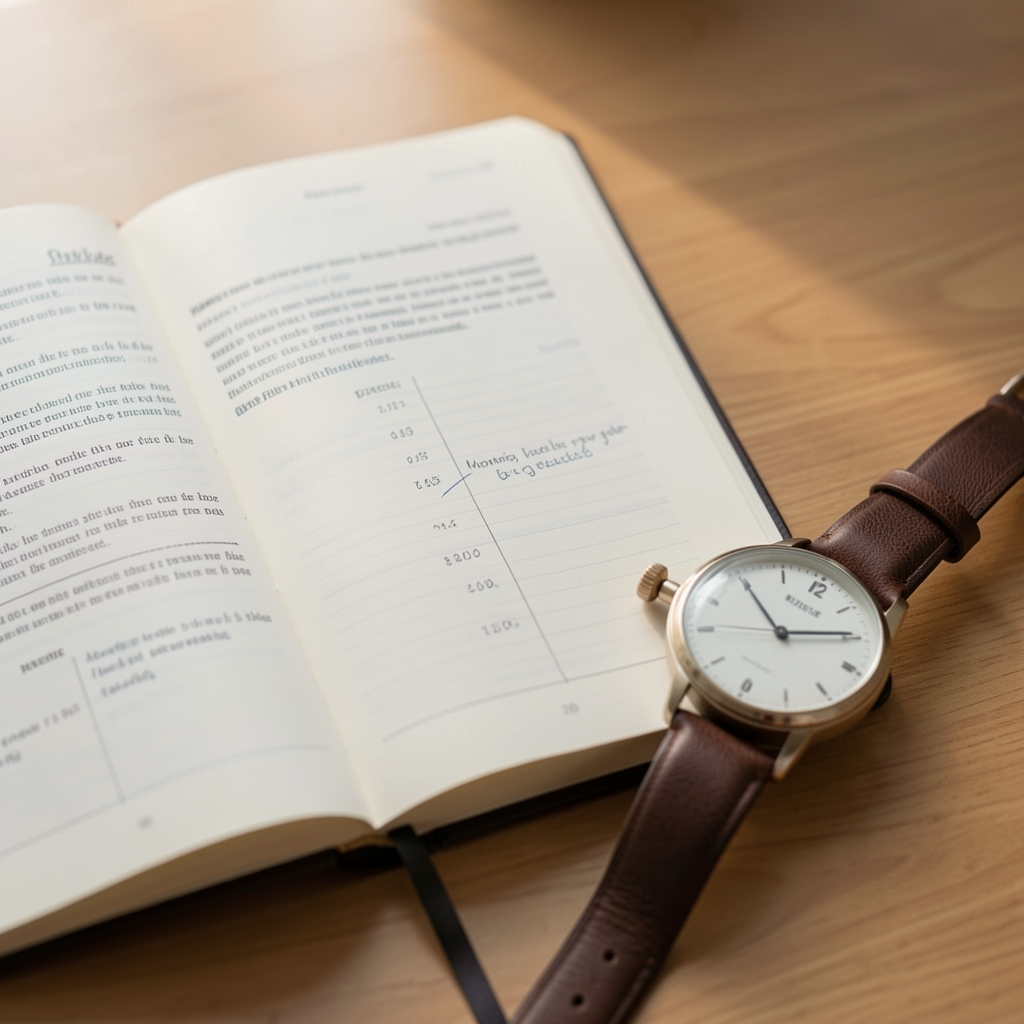
Resting heart rate can be an accessible way to observe a pattern, provided the circumstances are recorded. Sleep, caffeine, recent movement, emotional strain, hydration and the measurement method can all influence a reading. For adults in their 40s, a single figure should be treated as a piece of context rather than a verdict. This guide explains how to think about consistency, what a wearable can and cannot tell you, and how to prepare a useful question for a qualified healthcare professional.
What resting means
Resting usually implies a period of quiet before measurement. Morning readings may differ from evening readings, and a device worn continuously may apply its own algorithm. Recording time, position and recent activity makes later comparisons more meaningful.
Patterns over isolated figures
Everyday measurements naturally move. A trend across similar conditions can be easier to interpret than a lone result taken after a busy day. Personal baselines also differ, so comparisons with friends or online anecdotes have limited value.
| Recording detail | Why it matters | Example note |
|---|---|---|
| Time | Morning and evening conditions differ. | 7:15 am, before breakfast. |
| Position | Movement and posture affect context. | Seated quietly for five minutes. |
| Recent activity | Exercise can influence a later reading. | No planned activity beforehand. |
| Device | Methods may not be identical. | Manual count or named wearable. |
Wearables and their limits
Consumer devices can support curiosity, but they are not identical instruments. Fit, software updates and movement may affect the number shown. A device can prompt a question, but the number still needs context.
It is useful to record whether the device was worn as usual and whether the displayed result was a single value or an average. Screens may smooth short changes, while manual counting may introduce timing or arithmetic errors.
A five-step recording method
- Choose a consistent time when practical.
- Sit quietly and note recent movement or caffeine.
- Use the same method for a short observation period.
- Record the value, date and surrounding circumstances.
- Review the pattern without comparing it with online anecdotes.
Questions readers ask
Is variation automatically meaningful?
Variation can be ordinary and may reflect sleep, activity, temperature or emotion. The broader pattern and surrounding circumstances matter.
Can an app explain a number?
An app can display and organise readings, but interpretation requires more context than a graph alone can provide.
When should I seek advice?
Personal concerns, persistent changes or questions about an existing situation should be discussed with a qualified healthcare professional.
Reader note
A measurement becomes more useful when it is accompanied by the conditions in which it was taken. Context turns a number into a question that can be discussed.
Checklist for a conversation
- Bring a short record rather than one isolated figure.
- Note the device or method used.
- Include relevant routine changes and questions.
- Explain what prompted the measurement.