The Role of Exercise in Maintaining Cardiovascular Fitness After 40
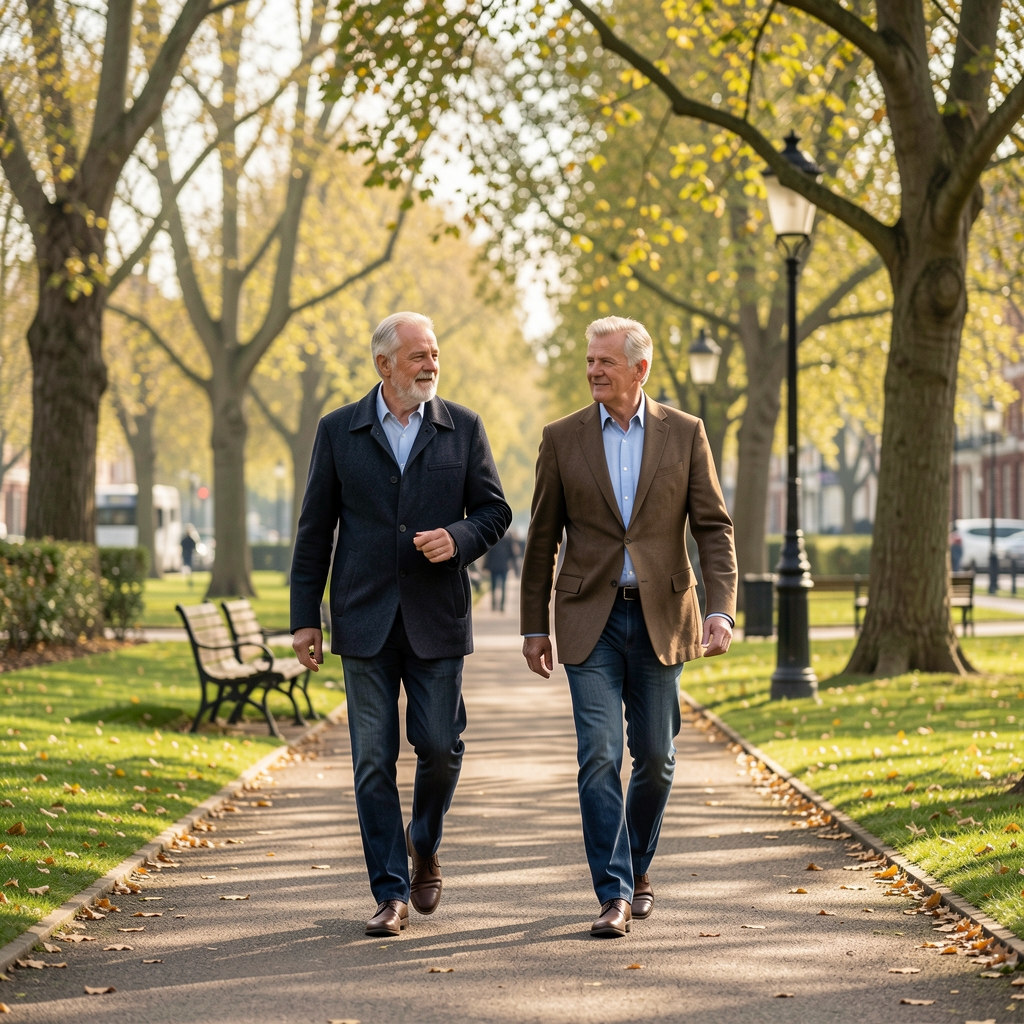
Movement in ordinary life
Movement after 40 is less about a single ideal routine and more about finding a pattern that can be repeated. Walking, cycling, swimming, strength work and active travel may all contribute different forms of stimulus. This article looks at the language used around cardiovascular fitness and offers a framework for thinking about frequency, recovery and enjoyment.
It is informational reading for UK adults, with personal questions best discussed with a GP or qualified healthcare professional. A realistic plan begins with what fits a person’s schedule, experience, access and preferences.
Fitness has several dimensions
Endurance
Activities sustained over time provide one way to think about stamina, although pace and terrain alter the experience.
Strength
Strength work can support everyday tasks and adds a different demand from walking or cycling.
Mobility
Range of movement, balance and confidence can influence whether a routine feels comfortable enough to continue.
Comparing activity contexts
| Context | Example | Useful observation |
|---|---|---|
| Active travel | Walking part of a commute | Attached to an existing commitment. |
| Planned session | Cycle, swim or class | Clear start, finish and recovery period. |
| Home movement | Strength or mobility routine | Convenient but dependent on space and confidence. |
| Social movement | Walk with a friend | May support enjoyment and regularity. |
A gradual planning roadmap
- Describe the current week without judgement.
- Choose one activity that feels practical and familiar.
- Change one variable at a time, such as duration or frequency.
- Notice recovery, sleep, enjoyment and any barriers.
- Review the pattern and adjust rather than chasing a fixed target.
A useful framing
“Consistency is not a character test. It is often the result of matching an activity to the time, place and support available.”
Common questions
Do short periods count as movement?
Short periods can form part of an active day. Their value depends on the wider pattern, the activity and the person’s circumstances.
Why include recovery?
Rest and sleep are part of the routine in which movement takes place. Recovery notes can reveal whether a change was manageable.
Should everyone use the same plan?
No. Experience, access, mobility, time and personal circumstances differ, so a general article cannot prescribe one routine.
Simple checklist
- Choose a setting that is easy to reach.
- Keep a note of duration and how the session felt.
- Leave room for rest and ordinary life.
- Ask a qualified professional about individual questions.